Vyakhya

The Role of Diet in Perfect Skin Care

The Role of Diet in Perfect Skin Care

Introduction To The Role of Diet in Perfect Skin Care

When it comes to achieving flawless and radiant skin, it’s not just about the creams and treatments you apply externally. Your diet plays a crucial role in maintaining healthy and beautiful skin from the inside out. In this article, we will explore the significant impact of dietary choices on your skin and provide insights into how you can optimize your eating habits for perfect skincare.

Skin care

1. Hydration Is Key:

One of the fundamental aspects of skincare often overlooked is hydration. Drinking an adequate amount of water throughout the day helps maintain skin’s elasticity and moisture levels. Dehydrated skin can appear dull and prone to fine lines and wrinkles. Aim for at least 8 glasses of water daily to keep your skin plump and well-hydrated.

2. Antioxidant-Rich Foods:

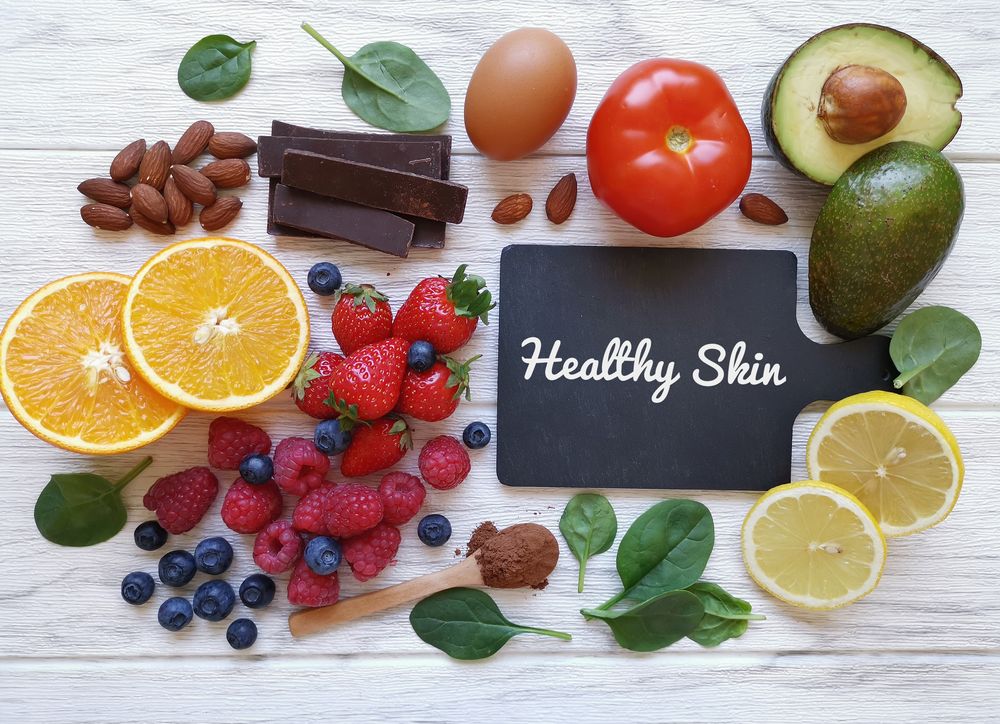
Antioxidants play a vital role in protecting your skin from free radical damage, which can lead to premature aging and skin issues. Incorporate foods rich in antioxidants into your diet, such as:

   – Berries (blueberries, strawberries, raspberries)

   – Dark leafy greens (spinach, kale)

   – Nuts (almonds, walnuts)

   – Green tea

   – Brightly colored vegetables (carrots, peppers)

These foods can help combat oxidative stress and promote a healthy complexion.

3. Omega-3 Fatty Acids:

Omega-3 fatty acids, found in fatty fish (salmon, mackerel, sardines), flaxseeds, and walnuts, have anti-inflammatory properties. They can help reduce redness and inflammation associated with skin conditions like acne and eczema. Including these foods in your diet may contribute to clearer skin and a more even complexion.

4. Collagen-Boosting Foods:

Collagen is essential for maintaining skin’s firmness and elasticity. As we age, collagen production decreases, leading to sagging skin and wrinkles. To support collagen production, include collagen-boosting foods in your diet, such as:

   – Bone broth

   – Citrus fruits (rich in vitamin C)

   – Leafy greens

   – Soy products

   – Berries

Vitamin C, in particular, is crucial for collagen synthesis.

5. Limit Sugar and Processed Foods:

Excessive sugar consumption and highly processed foods can lead to inflammation and may worsen skin conditions like acne. Sugary foods can also cause glycation, a process that can make the skin lose its elasticity. Reducing your intake of sugary snacks, sodas, and processed foods can contribute to clearer and healthier skin.

6. Good Fats for Skin Health:

Healthy fats, like those found in avocados, olive oil, and nuts, help maintain skin’s natural moisture barrier. This barrier is essential for keeping skin hydrated and protecting it from environmental stressors. Incorporating these fats into your diet can result in a smoother and more supple complexion.

Diet

Certainly, let’s explore further the role of diet in perfect skincare:

Role of Diet

1. Vitamins and Minerals for Skin Health:

In addition to antioxidants and collagen-boosting nutrients, several vitamins and minerals are essential for maintaining vibrant skin:

   a. Vitamin E: Found in almonds, sunflower seeds, and spinach, vitamin E helps protect the skin from UV damage and supports overall skin health.

   b. Vitamin A: Foods like sweet potatoes, carrots, and leafy greens contain vitamin A, which can help repair and renew skin cells.

   c. Zinc: This mineral is crucial for skin health as it aids in wound healing and supports the immune system. Incorporate foods like oysters, lean meats, and legumes into your diet.

   d. Selenium: Selenium-rich foods like Brazil nuts and whole grains can help protect the skin from damage caused by free radicals and UV radiation.

2. Probiotics for Gut-Skin Connection:

There’s a growing body of research highlighting the connection between gut health and skin health. Probiotics, found in yogurt, kefir, and fermented foods, help maintain a healthy balance of gut bacteria. A balanced gut microbiome may lead to clearer and more radiant skin by reducing inflammation and supporting overall well-being.

3. Herbal Teas and Herbal Remedies:

Incorporating herbal teas into your daily routine can provide additional benefits for your skin. Herbal teas like chamomile and calendula have anti-inflammatory and soothing properties that can help with skin conditions such as eczema or irritated skin. Additionally, herbal remedies like turmeric and aloe vera can be used topically to address skin issues.

4. Dietary Restrictions and Allergies:

If you have specific dietary restrictions or allergies, it’s essential to adapt your diet to accommodate them while still prioritizing skin health. For example, individuals with gluten intolerance or celiac disease should opt for gluten-free grains like quinoa and rice. Consulting a registered dietitian can help you create a customized eating plan that considers your dietary needs and skin goals.

5. Consistency and Patience:

Improving your skin through diet is a gradual process that requires consistency. It may take weeks or even months to see noticeable changes. It’s essential to maintain a balanced and nutritious diet over time to reap the long-term benefits.

6. Seek Professional Guidance:

While diet plays a significant role in skincare, it’s not a one-size-fits-all solution. Skin issues can be complex, and what works for one person may not work for another. If you have persistent skin concerns or conditions, consider consulting a dermatologist or a registered dietitian specializing in skin health. They can provide personalized recommendations and treatments tailored to your unique needs.

In conclusion, a holistic approach to skincare involves not only external treatments but also mindful dietary choices. By nourishing your body with a well-balanced and skin-friendly diet, you can support your skin’s natural beauty, resilience, and overall health. Remember that perfect skincare is a journey, and the consistency of a healthy lifestyle, including diet, plays a vital role in achieving and maintaining radiant skin.

Conclusion:

Achieving perfect skin care isn’t just about external treatments; it starts with what you put into your body. A well-balanced diet rich in hydration, antioxidants, omega-3 fatty acids, and collagen-boosting foods can help you maintain healthy, glowing, and youthful-looking skin. By making mindful dietary choices, you can support your skin’s natural beauty and promote long-term skin health.

Check out our other blogs.

The Role of Diet in Perfect Skin Care Read More »
Natural Remedies for Common Skin Issues

Natural Remedies for Common Skin Issues: Organic Solutions

Introduction Natural Remedies for Common Skin Issues 

Our skin is our body’s largest organ, and it deserves the best care possible. While there are countless skincare products on the market, sometimes the most effective solutions can be found in nature itself. In this blog, we’ll explore a range of common skin issues and the organic remedies that can help address them. These natural remedies for common skin issues are not only gentle on your skin but also environmentally friendly. Let’s dive into the world of organic solutions for healthier, more radiant skin.

Skin issues

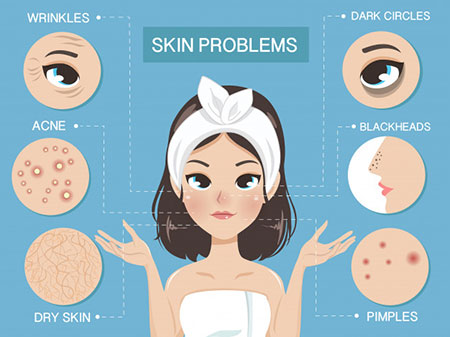
1. Acne:

Acne is a common skin issue that affects people of all ages. Instead of harsh chemical treatments, consider these organic remedies:

   a. Tea Tree Oil: This essential oil has natural antibacterial properties that can help reduce acne-causing bacteria. Dilute it with a carrier oil and apply it to affected areas.

   b. Honey and Cinnamon Mask: Mixing honey and cinnamon creates a potent antibacterial mask that can soothe and heal acne-prone skin.

   c. Aloe Vera: The gel from an aloe vera plant is known for its anti-inflammatory properties. Apply it to acne spots to reduce redness and swelling.

2. Dry Skin:

Dry skin can be itchy and uncomfortable. Organic remedies for dry skin include:

   a. Coconut Oil: This natural moisturizer is rich in fatty acids and can deeply hydrate your skin. Apply it liberally after showering.

   b. Oatmeal Bath: Add colloidal oatmeal to your bathwater for a soothing soak that relieves dryness and itching.

   c. Olive Oil: A few drops of extra virgin olive oil can be applied to dry patches to provide intense hydration.

3. Eczema:

Eczema is characterized by itchy, inflamed skin. Organic options for managing eczema include:

   a. Evening Primrose Oil: This oil is rich in gamma-linolenic acid, which can reduce inflammation and itching when applied topically.

   b. Calendula Cream: Calendula is known for its anti-inflammatory properties and can be used to soothe eczema-prone skin.

   c. Oatmeal Compress: Create a soothing oatmeal compress by mixing oatmeal with water and applying it to affected areas.

Natural Remedies for Common Skin Issues

4. Sunburn:

Sunburn can be painful and damaging to your skin. Try these organic remedies:

   a. Aloe Vera Gel: Apply pure aloe vera gel to sunburned skin to soothe and cool the area.

   b. Green Tea: Brew green tea and let it cool, then apply it to your sunburn with a cotton ball for its anti-inflammatory properties.

   c. Cucumber Slices: Place cucumber slices on your sunburned skin to reduce redness and inflammation.

Certainly, let’s delve deeper into these natural remedies for common skin issues:

Organic Solutions

1. Dark Circles and Puffy Eyes:

Whether it’s due to lack of sleep or genetics, dark circles and puffy eyes can be bothersome. Organic solutions to combat these issues include:

   a. Cold Compress: Applying a cold compress, such as chilled cucumber slices or a cold spoon, can help reduce puffiness and soothe tired eyes.

   b. Rose Water: Soak cotton pads in rose water and place them on your closed eyelids for a refreshing and revitalizing effect.

   c. Almond Oil: Gently massage a few drops of almond oil under your eyes to moisturize and lighten dark circles over time.

2. Wrinkles and Fine Lines:

The natural aging process can lead to the development of wrinkles and fine lines. Organic remedies for smoother skin include:

   a. Argan Oil: Known as “liquid gold,” argan oil is rich in antioxidants and vitamin E, which can help hydrate and plump the skin, reducing the appearance of wrinkles.

   b. DIY Face Masks: Create face masks using ingredients like mashed avocado, honey, and yogurt, which are packed with nutrients and can nourish and rejuvenate your skin.

   c. Facial Exercises: Regular facial exercises can help tone and tighten facial muscles, reducing the appearance of fine lines.

3. Sun Protection:

Preventing skin damage from the sun is crucial. Organic ways to protect your skin from harmful UV rays include:

   a. Zinc Oxide Sunscreen: Look for a natural sunscreen containing zinc oxide, which provides broad-spectrum protection without the use of chemical UV filters.

   b. Wear Protective Clothing: Covering up with wide-brimmed hats and long-sleeved clothing is a natural way to shield your skin from the sun.

   c. Seek Shade: When outdoors, find shade or create your own with an umbrella to minimize sun exposure.

4. Hyperpigmentation:

Hyperpigmentation, such as age spots or melasma, can be treated with organic remedies:

   a. Lemon Juice: The natural acidity in lemon juice can help lighten dark spots. Dilute it with water and apply it sparingly to affected areas.

   b. Turmeric Face Mask: Mix turmeric with yogurt or honey to create a mask that can help even out skin tone over time.

   c. Apple Cider Vinegar: A diluted solution of apple cider vinegar can be applied topically to reduce the appearance of hyperpigmented areas.

5. Clogged Pores and Blackheads:

Keeping your pores clear is essential for healthy skin. Organic solutions to address clogged pores and blackheads include:

   a. Baking Soda Scrub: Create a paste using baking soda and water, and gently exfoliate your skin to unclog pores.

   b. Steam Facial: A steam facial can help open pores and make it easier to remove blackheads with a gentle extraction tool.

   c. Clay Masks: Applying a natural clay mask, like bentonite or kaolin clay, can help draw out impurities and reduce blackheads.

Incorporating these natural remedies for common skin issues into your skincare routine can promote healthier, more vibrant skin while minimizing exposure to synthetic chemicals. Remember that consistency is key, and results may vary depending on your skin type and individual needs. Always prioritize natural remedies for common skin issues and consult a dermatologist if you have specific concerns or persistent skin issues.

Conclusion:

Nature provides us with a wealth of organic remedies for common skin issues. These natural remedies for common skin issues can be gentle yet effective, helping you achieve healthier and more radiant skin without resorting to harsh chemicals. Remember that individual skin types may react differently to these remedies, so it’s important to do a patch test and consult with a dermatologist if you have any concerns. Embrace the power of nature to nurture your skin and enhance your natural beauty.

Check out our other blogs.

Natural Remedies for Common Skin Issues: Organic Solutions Read More »

skincare

How to remove acne naturally : Effective Skincare Tips and Products

skincare

 How to Combat Acne: Effective Skincare Tips and Products.

All ages can be affected by acne, which can be a bothersome and persistent skin condition. However, you can treat acne and regain your confidence with the appropriate skincare regimen and products. You may obtain clear and healthy skin by using the advice, products, and insights we’ll cover in this book. Whether you’re an adult coping with sporadic outbreaks or a teen battling with hormonal acne, our professional advice has you covered.

1. Understanding Acne

Acne, a common skin condition, occurs when hair follicles become clogged with oil and dead skin cells. This section delves into the different types of acne, including blackheads, whiteheads, papules, pustules, nodules, and cysts. Understanding the type of acne you have is essential for effective treatment.

Acne varies from person to person, and its severity can range from mild to severe. Factors such as genetics, hormonal fluctuations, and diet can contribute to its development.

2. Identifying Triggers

To combat acne effectively, it’s crucial to identify the triggers that worsen your condition. Common triggers include stress, poor diet, hormonal changes, and using the wrong skincare products. We’ll help you pinpoint your specific triggers so you can make necessary lifestyle adjustments.

3. Creating a Skincare Routine

Your first line of defense against acne is to maintain a consistent skincare regimen. We’ll walk you through a step-by-step skincare regimen designed for skin prone to breakouts. This entails washing, exfoliating, hydrating, and applying sunscreen. Maintaining healthy, clear skin requires each step to be completed.

 4. Choosing the Right Products

Selecting the right skincare products is essential for combating acne. Look for products with ingredients like salicylic acid, benzoyl peroxide, and retinoids, which are known for their acne-fighting properties. Our recommendations will guide you in making informed choices.

5. Lifestyle Changes

Incorporating certain lifestyle changes can significantly impact acne. Factors such as diet, stress management, and adequate sleep play a role in skin health. We’ll provide tips on adopting a balanced lifestyle that supports clear skin.

6. Professional Treatments

In cases where acne persists or becomes severely problematic, it is strongly advisable to seek the expertise of a qualified dermatologist. Dermatologists possess specialized knowledge and experience to comprehensively assess your specific skin condition and offer personalized treatment solutions. These recommendations may encompass a range of advanced procedures such as chemical peels, laser therapy, or the prescription of medications tailored to address your unique needs. If you’ve been using over-the-counter products and have yet to achieve the desired results, considering these advanced options under the guidance of a dermatologist can be a valuable step toward clearer and healthier skin.

Frequently Asked Questions

Q: Can diet really affect acne?

 A: Yes, a diet high in processed foods and sugars can exacerbate acne. Opt for a balanced diet rich in fruits, vegetables, and whole grains for better skin health.

Q: How long does it take to see results from a new skincare routine?

 A: Results vary from person to person, but most individuals see improvements within 4 to 6 weeks of consistent use.

Q: Is it essential to use all recommended products in my skincare routine?

 A: While consistency is key, you can tailor your routine to your needs. However, cleansing and moisturizing are fundamental steps.

Q: Can stress worsen acne? 

A: Yes, stress triggers hormonal fluctuations that can lead to acne breakouts. Managing stress through relaxation techniques can help.

Q: What should I do if I have sensitive skin?

 A: Opt for gentle, fragrance-free products designed for sensitive skin. Patch-test new products and introduce them slowly into your routine.

Q: Are natural remedies effective against acne?

 A: Some natural remedies can be helpful, but results may vary. It’s best to combine them with clinically proven products for optimal results.

Conclusion

Combatting acne requires a multifaceted approach that includes understanding your skin, identifying triggers, adopting a proper skincare routine, and choosing the right products. Remember that achieving clear skin takes time and patience. By following our expert advice, you’ll be well on your way to healthier, acne-free skin

How to remove acne naturally : Effective Skincare Tips and Products Read More »

Home Remedies for Glowing Face

Home Remedies for Glowing Face: Illuminate Your Natural Beauty

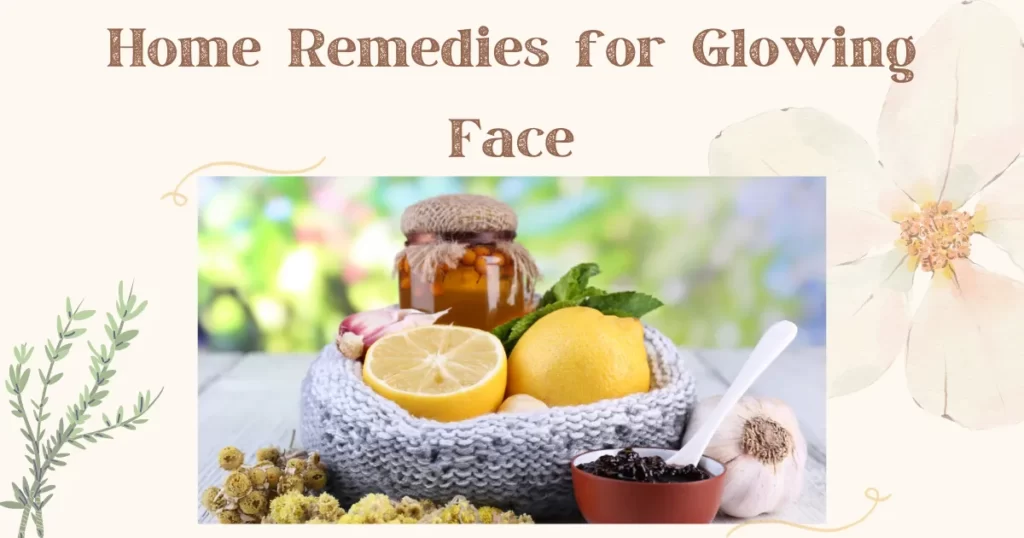
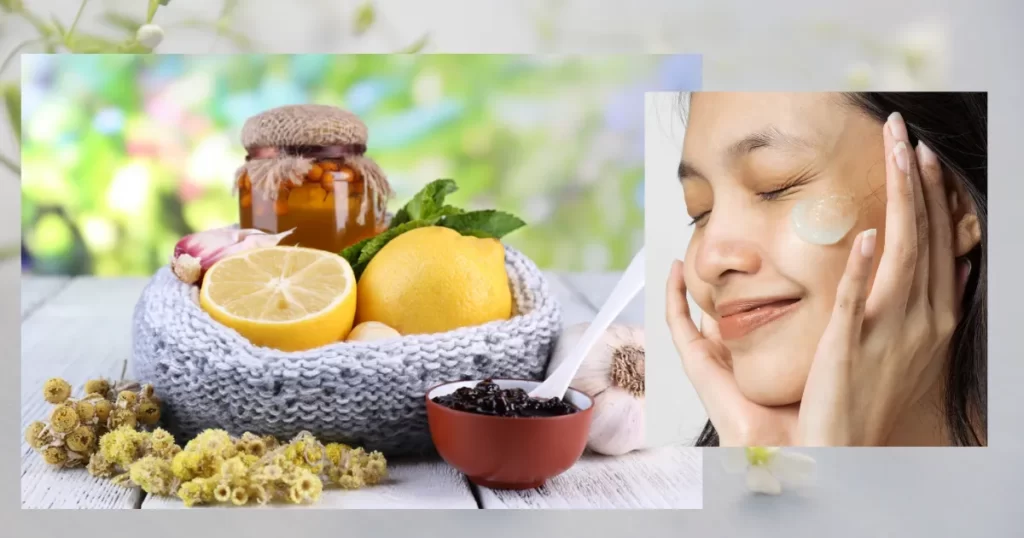
Home Remedies for Glowing Face: A glowing and radiant face is a timeless symbol of health and beauty. While the market is flooded with skincare products promising instant results, many of us yearn for a more natural and holistic approach to achieving that coveted glow. Fortunately, nature has provided us with an array of ingredients and remedies that can help illuminate our faces without resorting to harsh chemicals or expensive treatments.

Home Remedies for Glowing Face

Home Remedies for Glowing Face

In this blog post, we’ll explore some effective Home Remedies for Glowing Face that you can easily incorporate into your skincare routine.

1. Honey and Lemon Mask:

Ingredients:

  • 1 tablespoon of honey
  • Juice of half a lemon

Instructions:

  • In a small bowl, combine the honey and lemon juice.
  • On your freshly cleaned face and neck, apply the mixture.
  • Leave it on for 15-20 minutes.
  • Rinse with warm water.

Why it works: Honey is a natural humectant, meaning it locks in moisture, keeping your skin hydrated and supple. Lemon juice contains citric acid, which brightens the skin and reduces dark spots.

2. Turmeric and Yogurt Face Pack:

Ingredients:

  • 1 teaspoon of turmeric powder
  • 2 tablespoons of plain yogurt

Instructions:

  • Mix the turmeric powder and yogurt to form a paste.
  • Apply it evenly to your face and neck.
  • Let it sit for 15-20 minutes.
  • Rinse off with lukewarm water.

Why it works: Turmeric has anti-inflammatory and antioxidant properties that can give your skin a natural radiance. Yogurt contains lactic acid, which exfoliates dead skin cells and promotes a youthful glow.

3. Oatmeal and Milk Scrub:

Ingredients:

  • 2 tablespoons of oats
  • 2 tablespoons of milk

Instructions:

  • Grind the oats into a fine powder.
  • Mix the oatmeal powder with milk to create a thick paste.
  • Apply the paste to your moist face and gently massage it in circular strokes.
  • Leave it on for 10-15 minutes.
  • Rinse off with cold water.

Why it works: Oatmeal is an excellent exfoliant that sloughs off dead skin cells, while milk moisturizes and soothes the skin.

4. Aloe Vera Gel Mask:

Ingredients:

  • Fresh aloe vera gel (you can extract it from an aloe vera leaf or use store-bought gel)

Instructions:

  • Apply a thin layer of aloe vera gel to your clean face.
  • Leave it on for 20-30 minutes.
  • Rinse with lukewarm water.

Why it works: Aloe vera is known for its healing properties and ability to soothe irritated skin. It hydrates the skin and can give you a natural, healthy glow.

5. Coconut Oil Massage:

Instructions:

  • Warm up a small amount of coconut oil in your palms.
  • Apply it to your face and neck and gently rub it in upward circular motions.
  • For 30 to 60 minutes, leave it on.
  • Rinse off with a gentle cleanser.

Why it works: Coconut oil is rich in healthy fats and vitamin E, which nourish and hydrate the skin, leaving it soft, smooth, and glowing.

6. Cucumber and Rosewater Toner:

Ingredients:

  • 1/2 cucumber
  • 1/4 cup of rosewater

Instructions:

  • Blend the cucumber and strain the juice.
  • Mix the cucumber juice with rosewater.
  • Apply the mixture to your face and neck using a cotton ball.
  • Leave it on for 15 minutes.
  • Rinse with cold water.

Why it works: Cucumber has a cooling and soothing effect on the skin, while rosewater helps balance pH levels and provides a natural radiance.

7. Papaya Face Mask:

Ingredients:

  • 1/2 ripe papaya

Instructions:

  • Mash the papaya into a smooth paste.
  • It should be applied evenly to your face and neck.
  • Leave it on for 15-20 minutes.
  • Rinse with lukewarm water.

Why it works: Papaya contains enzymes and vitamins that can exfoliate dead skin cells, leaving your skin looking fresh and glowing.

8. Green Tea Face Steam:

Instructions:

  • Brew a pot of green tea and let it cool slightly.
  • Position your face over the steaming tea (not too close to avoid burns) and cover your head with a towel to trap the steam.
  • Steam your face for 10-15 minutes.
  • Rinse your face with cool water.

Why it works: Green tea is rich in antioxidants that can detoxify your skin and leave it looking revitalized.

Conclusion

Incorporating these “Home Remedies for Face Glowing” into your skincare routine can help you achieve a naturally radiant complexion. Remember that consistency is key, and results may vary depending on your skin type and individual factors. These remedies are generally safe for most skin types, but if you have sensitive skin or allergies, it’s a good idea to do a patch test first. Enjoy your journey to a glowing and healthy face, courtesy of nature’s bounty!

– Shivani Bhatt

Also Read:

Face Glowing Tips: The Natural Way 

Home Remedies for Glowing Face: Illuminate Your Natural Beauty Read More »

Shopping Cart